Forget complicated dinners. This pan-seared salmon recipe is your new weeknight hero. In just 10 minutes, you can achieve a restaurant-quality meal with a spectacularly crispy skin and a tender, flaky interior. This method is simple, fast, and consistently delicious. We’re breaking down the exact steps to get that perfect sear every single time, making you a master of this essential cooking technique. Get ready to enjoy a healthy, flavorful meal that tastes like it took hours to prepare.
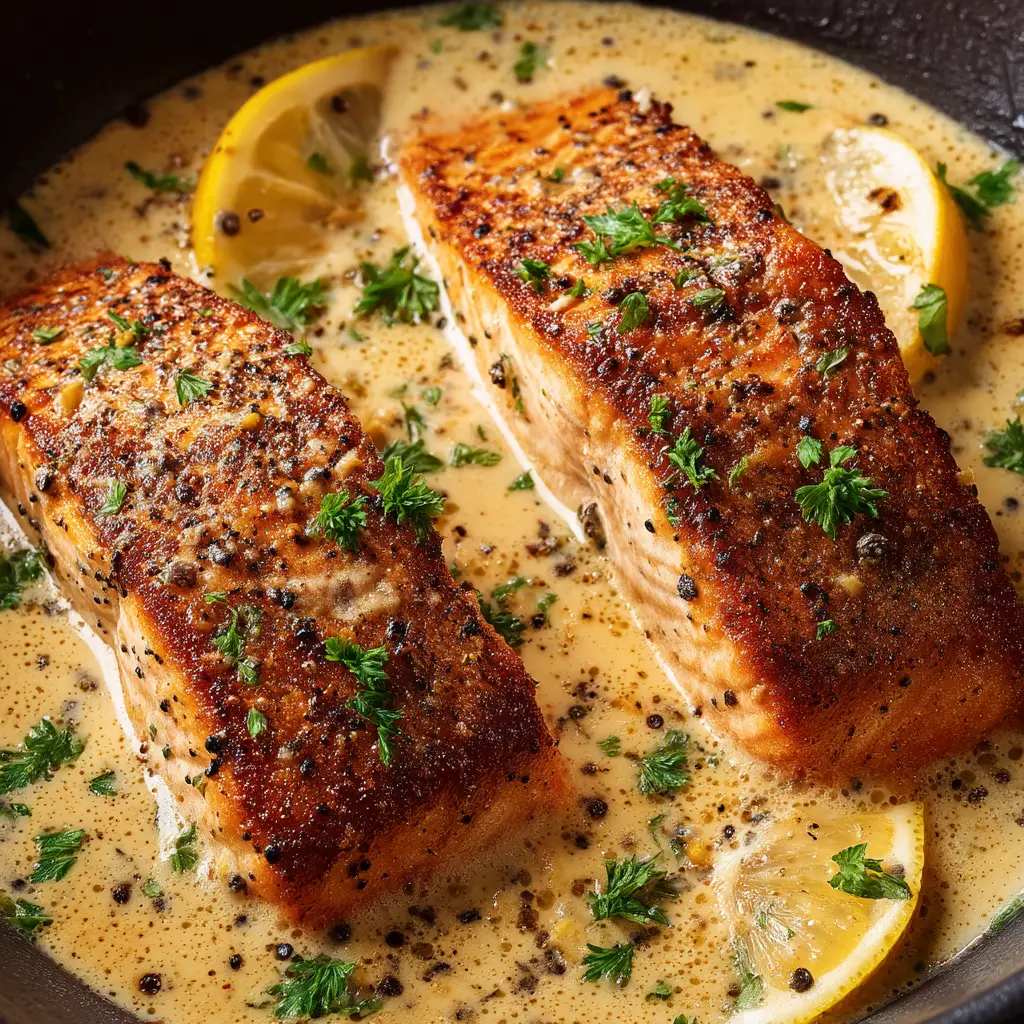
Why This is the Only Pan-Seared Salmon Recipe You Need
In a world of endless recipes, this one stands out for its pure simplicity and foolproof results. It’s designed for the enthusiastic home cook who wants maximum flavor with minimum fuss. There are no fancy ingredients or complicated steps, just pure, simple technique.
- Incredibly Fast: From fridge to plate in about 10 minutes, it’s the perfect solution for busy weeknights.
- Minimal Ingredients: All you need is salmon, salt, pepper, and a bit of oil. The magic is in the method, not a long shopping list.
- Healthy & Delicious: Salmon is packed with omega-3 fatty acids, making this a meal you can feel good about serving.
- Endlessly Versatile: This salmon is a perfect centerpiece for countless meals. Serve it with a side of Greek Lemon Potatoes, flake it over a salad, or pair it with some Coconut Pineapple Rice.
The Secret to Perfectly Crispy Skin
The key to an incredibly crispy, crackling salmon skin isn’t a secret ingredient—it’s technique. Follow these three principles for a perfect result every time.
- Start with Dry Skin: Moisture is the enemy of crispiness. Before you do anything else, pat the salmon skin thoroughly with a paper towel. The drier the surface, the better the sear.
- Heat Your Pan Properly: Get your pan—preferably cast iron or stainless steel—hot over medium-high heat. Add the oil and let it get hot enough to shimmer. This ensures an instant sear that prevents sticking.
- Skin-Side Down & Don’t Touch: Place the salmon fillet skin-side down in the hot pan. Press it down gently with a spatula for 10-15 seconds to ensure the entire surface makes contact. Then, and this is crucial, leave it alone. Let it cook for about 90% of the total time on the skin side until it’s golden and releases easily.
Ingredients You’ll Need
This recipe celebrates simplicity. You only need a few high-quality ingredients to make this exceptional pan-seared salmon.
- Salmon Fillets: Two 6-ounce salmon fillets, preferably with the skin on.
- Olive Oil: A high-quality olive oil or another neutral oil with a high smoke point.
- Kosher Salt: To season the fish and help draw out moisture from the skin.
- Black Pepper: Freshly ground for the best flavor.
- Optional Lemon & Herbs: A squeeze of fresh lemon juice and a sprinkle of parsley at the end brightens everything up.
How to Make Pan-Seared Salmon (Step-by-Step)
Ready for the perfect sear? Follow these steps for a flawless finish.
- Prep the Salmon: Remove the salmon from the refrigerator about 15 minutes before cooking. Pat the fillets completely dry with a paper towel, especially the skin. Season both sides generously with salt and pepper.
- Heat the Skillet: Place a large cast-iron or stainless-steel skillet over medium-high heat. Add the olive oil. You’ll know the pan is ready when the oil shimmers slightly.
- Sear Skin-Side Down: Carefully place the salmon fillets skin-side down in the hot skillet. Use a spatula to press down gently on each fillet for about 15 seconds to prevent the skin from curling.
- Cook Until Crispy: Let the salmon cook, undisturbed, for 4-6 minutes. You can watch the color change as it cooks up the side of the fillet. The skin should be deeply golden brown and crispy, and the fillet should be about 75-80% cooked through.
- Flip and Finish: Flip the salmon fillets and cook for another 1-2 minutes on the other side. The fish should be cooked through but still moist and tender inside.
- Serve Immediately: Remove the salmon from the pan and serve right away. A squeeze of fresh lemon juice over the top is highly recommended.

Pro Tips for Restaurant-Quality Salmon
Elevate your pan-seared salmon from great to extraordinary with these expert tips.
- Choose the Right Cut: Look for salmon fillets that are of a relatively even thickness to ensure they cook evenly.
- Don’t Use a Non-Stick Pan: For the best sear and crispiest skin, a cast-iron or stainless-steel pan is superior. They retain heat better and create a much better crust.
- Know When It’s Done: The most common mistake is overcooking salmon. It’s perfectly cooked when it flakes easily with a fork. You can also use a thermometer; the internal temperature should be around 130-135°F for a medium finish.
- Rest is Not Required: Unlike steak or chicken, fish doesn’t need to rest before serving. Serve it hot and fresh from the pan for the best texture.
What to Serve with Your Salmon
This pan-seared salmon is a versatile main course that pairs well with a wide variety of sides. For a comforting meal, serve it alongside our creamy Boursin Chicken and Orzo (simply omit the chicken). For a lighter option, a fresh green salad or steamed asparagus is perfect. If you’re feeling indulgent, nothing beats a side of rich, cheesy pasta like our Lemon Ricotta Spaghetti.
Storing and Reheating
If you have leftovers, store them in an airtight container in the refrigerator for up to 2 days. To reheat, it’s best to warm the salmon gently in a covered skillet over low heat or in a low-temperature oven until just warmed through. Avoid the microwave, as it can make the fish tough and dry.
Frequently Asked Questions
Yes, but only for a short time. You should cook the salmon skin-side down for about 80-90% of the total cooking time to get the skin super crispy. Then, flip it and cook for just 1-2 minutes on the flesh side to finish.
The salmon is done when it flakes easily with a fork or an instant-read thermometer inserted into the thickest part reads 130-135°F for medium. You can also see the color change from translucent to opaque as it cooks up the side of the fillet.
The three keys to crispy skin are: 1. Pat the skin completely dry with a paper towel. 2. Use a hot pan (cast iron or stainless steel is best) with shimmering oil. 3. Cook the salmon skin-side down for most of the cooking time without moving it.
Start with a high-smoke-point oil like avocado, canola, or light olive oil to prevent burning. You can add a tablespoon of butter to the pan during the last minute of cooking for extra flavor and richness.
A cast-iron or heavy-bottomed stainless-steel skillet is best for searing salmon. These pans retain heat exceptionally well, which is crucial for creating a deep, even sear and crispy skin. Avoid using non-stick pans if possible.
Share Your Creations!
We are confident this will become your go-to pan-seared salmon recipe! It’s a game-changer for quick, healthy, and impressive meals. If you make this recipe and love it, please leave a comment below and share your masterpiece on Pinterest! Your feedback and shares help our community grow.
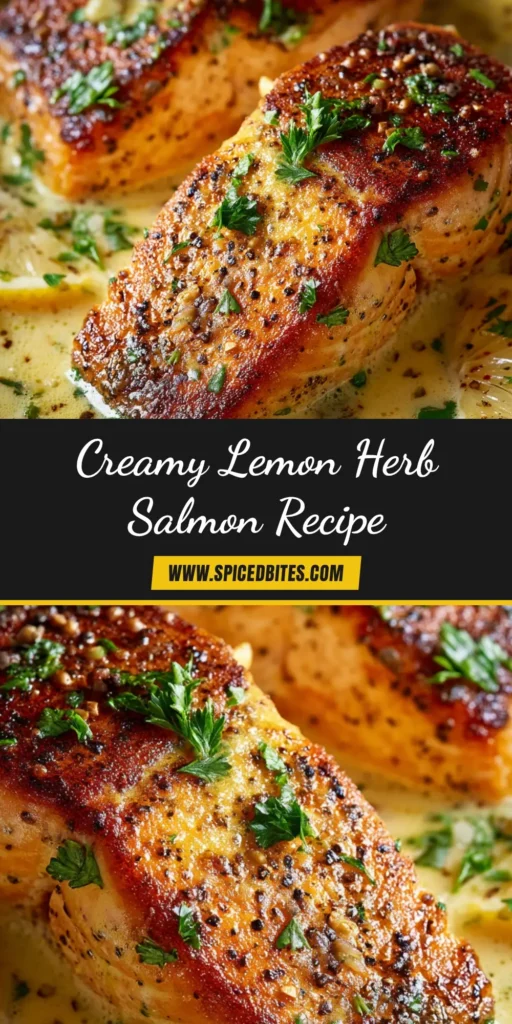
Pan-Seared Salmon Recipe
Pan-Seared Salmon (Perfectly Crispy Skin in 10 Minutes!)
Equipment
- 1 Large Skillet (Cast Iron or Stainless Steel recommended)
- 1 Fish Spatula
- Paper Towels
Ingredients
- 2 6-ounce salmon fillets, skin-on Ensure they are patted very dry.
- 1 tbsp Olive Oil Or other high-smoke point oil.
- 1/2 tsp Kosher Salt Or to taste.
- 1/4 tsp Black Pepper Freshly ground.
- 1 Lemon Wedges for serving, optional.
Instructions
- Pat salmon fillets completely dry with paper towels. Season generously on both sides with kosher salt and black pepper.
- Heat olive oil in a large cast-iron or stainless-steel skillet over medium-high heat until it shimmers.
- Carefully place the salmon fillets skin-side down in the hot pan. Press gently with a spatula for 15 seconds to ensure full contact. Cook for 4-6 minutes, undisturbed, until the skin is golden and crispy.
- Flip the fillets and cook for another 1-2 minutes until the fish is cooked to your desired doneness.
- Remove from the skillet and serve immediately, with a squeeze of fresh lemon juice if desired.
Notes
Use a cast-iron or stainless-steel pan for the best crust; avoid non-stick if possible.
Do not overcrowd the pan; cook in batches if necessary.


