Unlock the vibrant, aromatic flavors of North Africa with this incredibly simple and delicious Moroccan Cauliflower recipe. If you’re searching for a side dish that steals the show or a healthy vegetarian main, your quest ends here. This dish transforms a humble head of cauliflower into a culinary masterpiece, perfectly roasted until tender-crisp and caramelized, all while coated in a rich blend of traditional Moroccan spices. It’s an exotic yet approachable recipe that will have everyone reaching for seconds.
We’ll walk you through creating the perfect spice blend, achieving the ideal roast, and offering tips to make this dish your own. Get ready to fill your kitchen with the warmest, most inviting aromas imaginable.
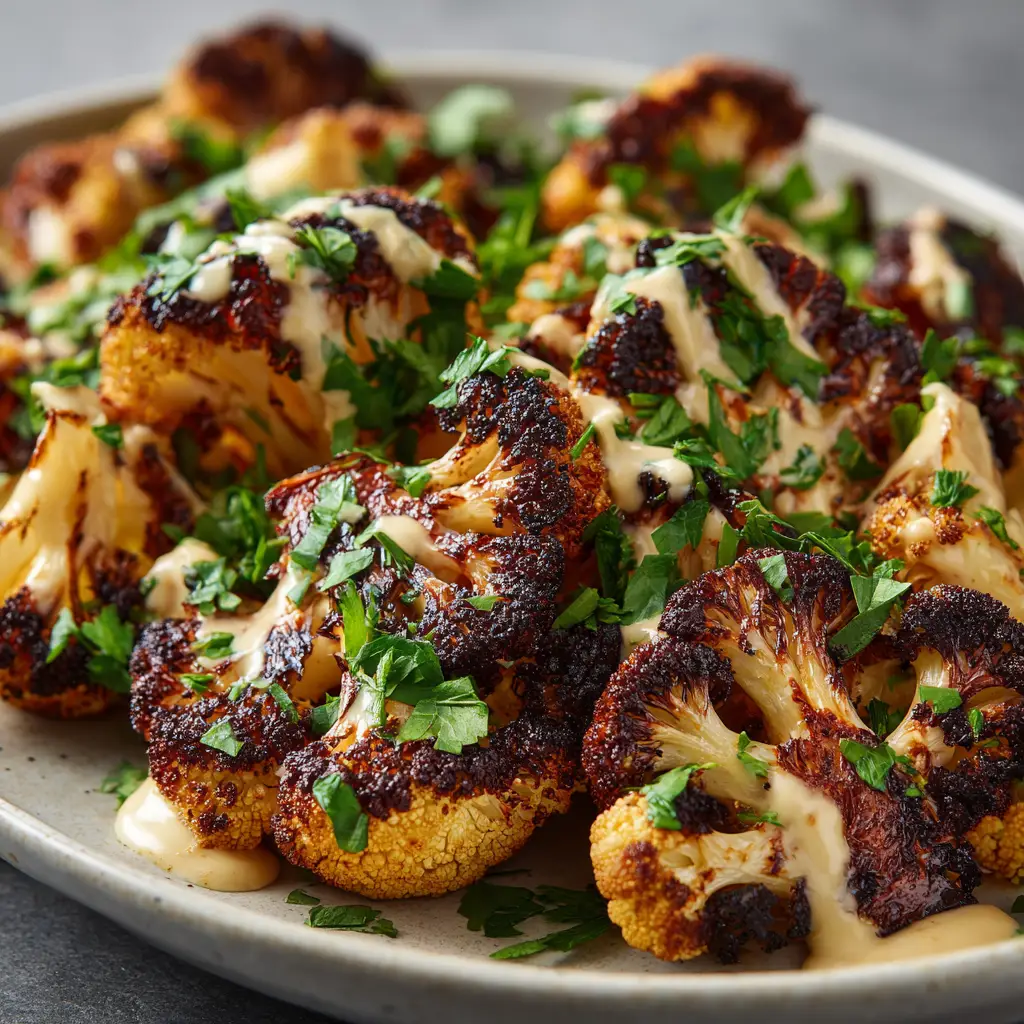
Why This Moroccan Cauliflower Recipe is a Must-Try
This isn’t just another roasted vegetable recipe; it’s an experience. The magic lies in its simplicity and the profound depth of flavor. The cauliflower florets become sweet and nutty in the oven, providing the perfect canvas for the earthy, warm, and slightly smoky spice mix. It’s naturally gluten-free, vegan, and fits perfectly into a healthy lifestyle without compromising on taste.
The Heart of the Dish: The Moroccan Spice Blend
The soul of this Moroccan Cauliflower dish is its spice blend. While you can use a pre-made Ras el Hanout, making your own is simple and allows you to control the flavors. The combination of cumin, coriander, turmeric, and smoked paprika creates a symphony of taste that is both complex and comforting.
Key Spices Explained
- Cumin: Provides a warm, earthy base.
- Coriander: Adds a slightly citrusy, floral note.
- Smoked Paprika: Lends a beautiful color and a hint of smokiness.
- Turmeric: Offers a vibrant golden hue and a peppery, warm flavor.
- Cinnamon: A touch of cinnamon adds a surprising warmth and sweetness that balances the other spices perfectly.
- Cayenne Pepper: For a gentle kick of heat, which you can adjust to your preference.
Ingredients You’ll Need
One of the best parts of this recipe is its short and accessible ingredient list. You likely have most of these spices in your pantry already!
- Cauliflower: The star of the show. Choose a fresh, firm head with no blemishes.
- Olive Oil: Use a good quality extra virgin olive oil for the best flavor.
- Spices: Cumin, coriander, smoked paprika, turmeric, cinnamon, cayenne pepper, salt, and black pepper.
- Garlic: Freshly minced garlic adds a pungent, aromatic kick.
- Lemon & Fresh Herbs: A squeeze of fresh lemon juice and a sprinkle of chopped cilantro or parsley at the end brightens everything up.

How to Make Moroccan Cauliflower (Step-by-Step)
Making this flavorful dish is incredibly straightforward. Follow these simple steps for a perfect result every time.
- Preheat and Prep: Start by preheating your oven to 425°F (220°C). Wash and thoroughly dry your cauliflower, then chop it into bite-sized florets. This is a key step for getting a good roast.
- Mix the Spices: In a small bowl, combine all the spices, salt, and pepper. This ensures an even coating on every floret.
- Coat the Cauliflower: Place the cauliflower florets in a large bowl. Drizzle with olive oil and toss to coat. Then, sprinkle the spice mixture over the cauliflower and toss again until every piece is evenly seasoned.
- Roast to Perfection: Spread the seasoned cauliflower in a single layer on a baking sheet. It’s important not to overcrowd the pan, as this will steam the cauliflower instead of roasting it. Roast for 20-25 minutes, flipping halfway through, until tender and beautifully caramelized at the edges.
- Garnish and Serve: Once out of the oven, transfer the roasted Moroccan Cauliflower to a serving dish. Squeeze fresh lemon juice over the top and garnish with chopped fresh cilantro or parsley.
Expert Tips for the Perfect Roasted Cauliflower
Want to elevate your Moroccan Cauliflower? Keep these pro tips in mind.
- Ensure it’s Dry: Make sure your cauliflower florets are completely dry before adding oil and spices. Moisture is the enemy of crispiness.
- Don’t Crowd the Pan: Give the florets space on the baking sheet. Use two sheets if necessary. This allows hot air to circulate, promoting browning and caramelization.
- High Heat is Key: Roasting at a high temperature (425°F / 220°C) is crucial for getting those delicious crispy edges without turning the cauliflower to mush.
- Add a Crunch: For extra texture, consider adding a handful of chickpeas to the baking sheet during the last 10 minutes of roasting. For more ideas on veggie bowls, check out our Roasted Veggie Chickpea Bowls.
Serving Suggestions
This versatile Moroccan Cauliflower can be served in so many ways. It’s a fantastic side dish for grilled chicken, fish, or lamb. It also makes a wonderful vegetarian main course served over a bed of couscous or quinoa with a dollop of yogurt or tahini sauce. For a similar grilled vegetable idea, try these Garlic Butter Zucchini Skewers. It can also be a key component in a larger Mediterranean spread, alongside dishes like this Feta Cranberry Chickpea Salad.
Storing and Reheating
Store any leftover Moroccan Cauliflower in an airtight container in the refrigerator for up to 4 days. For the best texture, reheat it in the oven or an air fryer at 400°F (200°C) for 5-7 minutes until heated through and re-crisped.
Frequently Asked Questions
Yes, absolutely. To cook it in an air fryer, preheat to 390°F (200°C) and cook for 12-15 minutes, shaking the basket halfway through, until the cauliflower is tender and crispy at the edges.
The three keys to preventing soggy cauliflower are: 1) Make sure the florets are completely dry before seasoning. 2) Roast at a high temperature (425°F/220°C). 3) Do not overcrowd the baking pan, which causes steaming instead of roasting.
Yes, it is very healthy. Cauliflower is a low-calorie, high-fiber vegetable rich in vitamins. This recipe uses healthy olive oil and natural spices, making it a nutritious, vegan, and gluten-free dish.
It’s incredibly versatile! Serve it as a side dish with grilled chicken, fish, or lamb. For a vegetarian main, serve it over couscous or quinoa with a drizzle of tahini sauce or a dollop of Greek yogurt.
The typical spice blend for Moroccan cauliflower includes cumin, coriander, smoked paprika, turmeric, a hint of cinnamon for warmth, and cayenne pepper for a little heat. This combination creates a rich, earthy, and aromatic flavor profile.
More Recipes You’ll Love
If you loved the bold flavors in this recipe, you’ll be sure to enjoy some of our other globally-inspired dishes. From hearty soups to flavorful main courses, there’s always something new to discover.
We hope you love this Roasted Moroccan Cauliflower recipe! It’s a true testament to how simple ingredients can create extraordinary flavor. If you make it, please leave a comment below or share a photo on Pinterest! Your feedback helps us and inspires other home cooks.
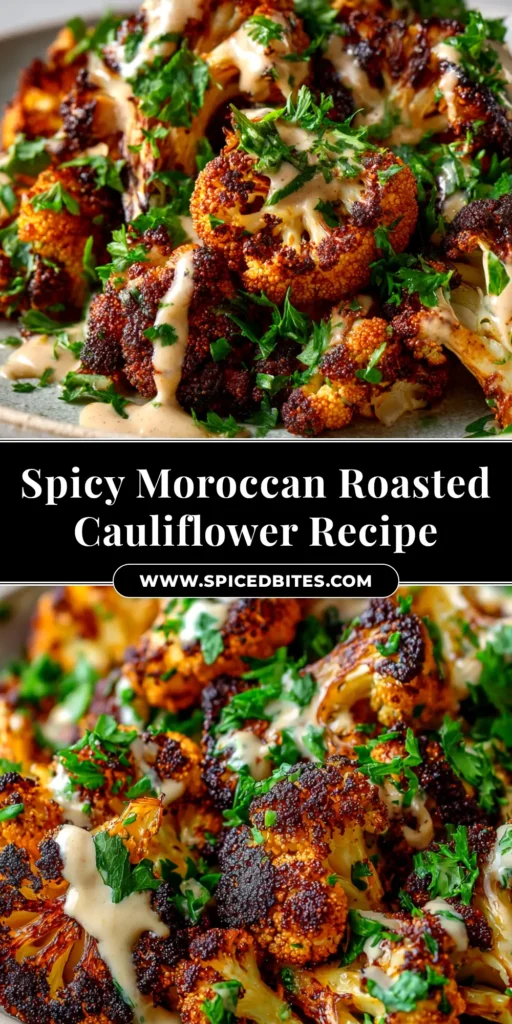
Moroccan Cauliflower Recipe
Moroccan Cauliflower: A Flavorful Roasted Recipe
Equipment
- 1 Baking Sheet
- 1 Large mixing bowl
Ingredients
- 1 large head cauliflower cut into bite-sized florets
- 3 tbsp olive oil
- 1 tsp ground cumin
- 1 tsp ground coriander
- 1 tsp smoked paprika
- 1/2 tsp turmeric
- 1/4 tsp cinnamon
- 1/8 tsp cayenne pepper or more, to taste
- 1 tsp salt
- 1/2 tsp black pepper
- 1 tbsp lemon juice freshly squeezed
- 1/4 cup fresh cilantro or parsley chopped, for garnish
Instructions
- Preheat oven to 425°F (220°C). Line a large baking sheet with parchment paper.
- In a large bowl, toss the cauliflower florets with olive oil until evenly coated.
- In a small bowl, whisk together the cumin, coriander, smoked paprika, turmeric, cinnamon, cayenne, salt, and pepper.
- Sprinkle the spice mixture over the cauliflower and toss well to ensure all florets are seasoned.
- Spread the cauliflower in a single layer on the prepared baking sheet. Do not overcrowd the pan.
- Roast for 20-25 minutes, flipping halfway through, until the cauliflower is tender and has caramelized, crispy edges.
- Remove from the oven, drizzle with fresh lemon juice, and garnish with chopped cilantro or parsley before serving.
Notes
For easy cleanup, line your baking sheet with parchment paper.


