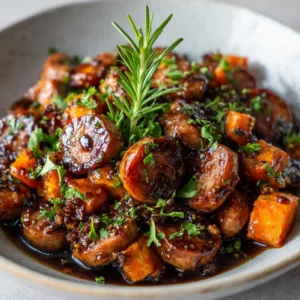
There is something inherently soul-warming about a Slow Cooker Mediterranean Beef Stew simmering away on a rainy afternoon. As the kitchen fills with the heady aroma of garlic, red wine, and dried herbs, you know you are moments away from a meal that defines comfort. This isn’t just a basic meat-and-potatoes dish; it is a masterclass in slow-braised textures and vibrant, layered flavors.
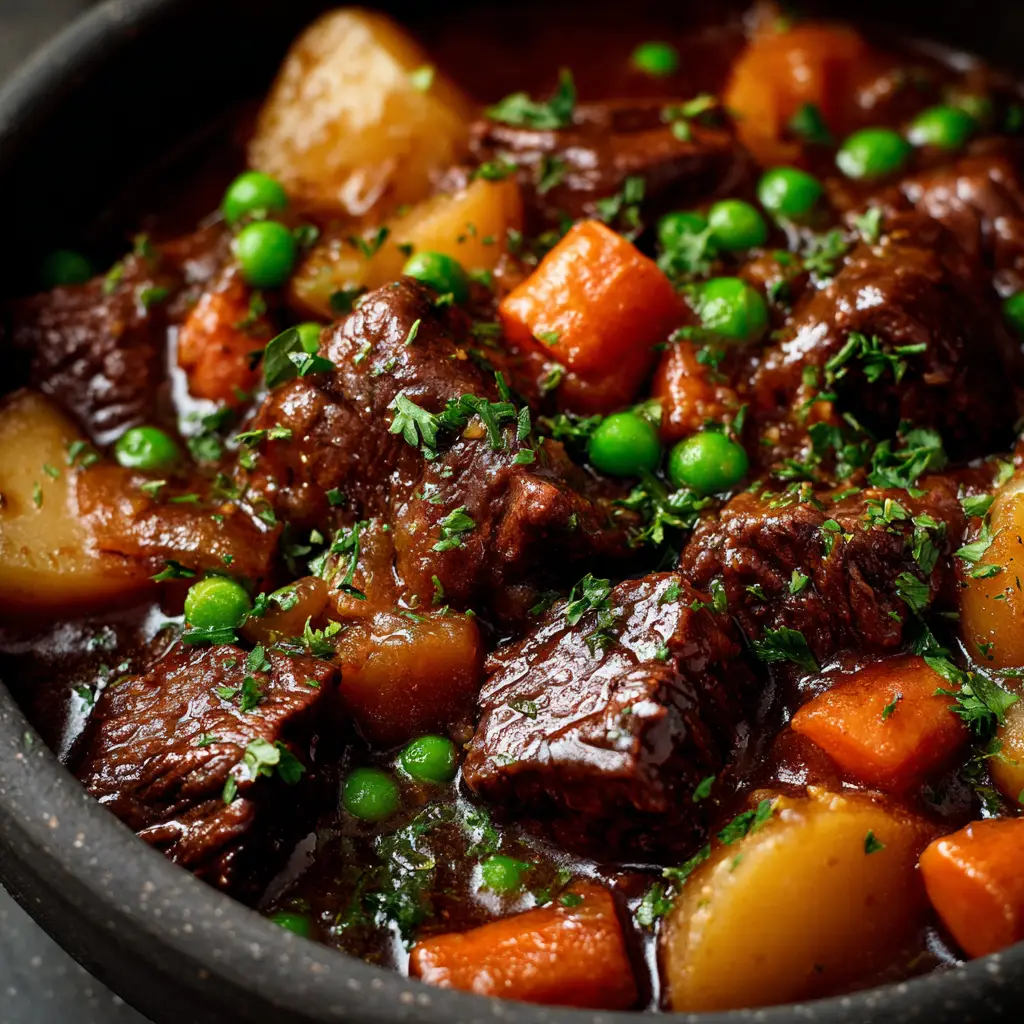
Imagine pulling the lid off your crockpot to reveal large, succulent cubes of beef that have been seared to a mahogany finish. They sit nestled among soft potato chunks and diced carrots, all submerged in a thick, glossy, dark brown gravy that glistens under the light. The addition of bright green peas and a flurry of fresh parsley adds a Mediterranean brightness that cuts through the rich, savory depth of the beef.
Whether you are a seasoned home cook or just looking for a reliable weeknight win, this recipe delivers professional results with minimal effort. By following a few key culinary techniques—like the crucial initial sear—you can transform humble ingredients into a five-star dining experience. Let’s dive into how we achieve that perfect, fork-tender consistency and visual “pop” that makes this dish so irresistible.
Why This Mediterranean Slow-Braised Stew Works
- Unmatched Texture: The beef undergoes a low-and-slow transformation, breaking down tough connective tissue into buttery, melt-in-your-mouth morsels.
- Visual Contrast: The “Forensic Visual” appeal comes from the interplay of deep brown gravy against the pop of vibrant green peas and orange carrots.
- Depth of Flavor: We utilize a “fond-building” technique in the skillet before the slow cooker takes over, ensuring the gravy is rich and multi-dimensional.
- Make-Ahead Friendly: Like many braised dishes, this stew tastes even better the next day, making it the ultimate meal-prep candidate.
The Anatomy of Flavor: Essential Ingredients for Slow Cooker Mediterranean Beef Stew
Beef Chuck Roast: 2.5 lbs (1.1kg) of high-quality beef chuck, cut into large 1.5-inch cubes. Chuck is the gold standard for stewing because its marbled fat melts during the long cook time, basting the meat from within.
Kosher Salt and Coarse Black Pepper: Essential for the initial seasoning. These minerals draw out moisture during the sear, helping create that crusty, brown exterior seen in the visual blueprint.
All-Purpose Flour: 1/4 cup (30g) for dredging the beef. This flour serves a dual purpose: it aids in browning and acts as a natural thickener for the glossy gravy as the stew simmers.
Olive Oil: 2 tbsp (30ml) of extra virgin olive oil. This is the foundational fat used to sear the beef, providing a subtle Mediterranean fruitiness to the base of the dish.
Yellow Onion and Celery: 1 large onion (200g) and 2 stalks of celery (100g). These aromatics soften into the sauce, providing a savory backbone that supports the heavier beef flavors.
Garlic: 4 cloves (20g), minced. Garlic is a non-negotiable pillar of Mediterranean cooking, offering a pungent warmth that permeates every bite of the beef.
Beef Bone Broth: 3 cups (720ml) of high-quality broth. Using bone broth adds a gelatinous mouthfeel that is critical for achieving the “thick brown gravy” described in our visual prompt.
Red Wine: 1/2 cup (120ml) of a dry red like Cabernet or Merlot. The acidity in the wine helps break down the beef fibers while adding a sophisticated top note to the sauce.
Potatoes and Carrots: 1 lb (450g) of Yukon Gold potatoes and 3 large carrots (250g). These vegetables absorb the beef juices, becoming tender without turning to mush, providing the “soft chunks” required for the visual profile.
Frozen Sweet Peas: 1 cup (150g). These must be added at the very end. Their bright green color provides the essential visual contrast against the dark brown gravy.
Fresh Parsley: 1/4 cup (15g), finely chopped. This final garnish adds a hit of chlorophyll and freshness, bridging the gap between a heavy winter stew and a bright Mediterranean meal.
Professional Tools for a Flawless Braise
To achieve the specific “seared and braised” look from the Midjourney prompt, you will need a heavy-bottomed cast iron skillet. This is necessary for the initial high-heat sear that a standard slow cooker crock simply cannot replicate. You will also need a 6-quart (5.7L) slow cooker to provide enough surface area for the vegetables to cook evenly.
A sharp chef’s knife is vital for dicing the carrots and celery into uniform pieces. Consistency in size ensures that every vegetable reaches the perfect “softened” state at exactly the same time, preventing a mix of crunchy and overcooked bits. If you are looking for other high-protein dinner ideas, you might also enjoy these high-protein cheeseburger bowls for a different flavor profile.
Step-by-Step Evolution of the Slow Cooker Mediterranean Beef Stew
1. The Maillard Reaction: Searing the Beef
Pat your beef cubes dry with a paper towel; moisture is the enemy of a good sear. Season generously with salt and pepper, then toss in the flour until lightly coated. Heat the olive oil in your skillet over medium-high heat until it shimmers.
Add the beef in batches, ensuring you don’t crowd the pan. Sear each side for 2-3 minutes until a deep, dark brown crust forms. This crust is what gives the final stew its rich color and intense umami flavor. Transfer the seared beef to the slow cooker.
2. Deglazing and Building the Aromatics
In the same skillet, add the onions and celery. Sauté for 4-5 minutes until the onions are translucent. Add the garlic and cook for 60 seconds until fragrant. Pour in the red wine, using a wooden spoon to scrape up all the “fond” (the brown bits) from the bottom of the pan.
This deglazing process captures all the concentrated beef flavor and incorporates it into the liquid base. Pour the entire skillet mixture over the beef in the slow cooker. If you enjoy one-pot style meals, you should check out this baked Italian angel chicken for another easy weeknight option.
3. The Long Simmer
Add the potatoes, carrots, beef broth, and dried Mediterranean herbs (like oregano or thyme) to the pot. Stir gently to combine. Set your slow cooker to “Low” and cook for 7 to 8 hours, or “High” for 4 to 5 hours.
You will know the stew is ready when the beef pulls apart easily with a fork and the potatoes are tender when pierced. The liquid should have reduced slightly and thickened into a glossy, dark gravy that coats the back of a spoon.
4. The Final Flourish
Ten minutes before serving, stir in the frozen peas. The residual heat of the stew will cook them perfectly, allowing them to remain “bright green” as per the visual recipe blueprint. Just before ladling into bowls, sprinkle with the finely chopped parsley.

Culinary Secrets for Stew Perfection
- Don’t Skip the Sear: It is tempting to dump everything in the pot, but the sear provides the chemical complexity and the dark brown color essential for a “thick brown gravy.”
- Potato Selection: Use Yukon Gold or Red potatoes. They hold their shape better than Russets, which tend to disintegrate during an 8-hour cook cycle.
- Acid Balance: If the stew tastes “flat” at the end, add a teaspoon of balsamic vinegar. The acid brightens the heavy fats and makes the Mediterranean flavors sing.
- Pea Preservation: Never add the peas at the beginning. They will turn grey and mushy. Adding them in the last 10 minutes ensures they stay “bright green” for that smartphone-photo-ready look.
Optimal Storage and Reheating Tips
This Slow Cooker Mediterranean Beef Stew keeps beautifully in the refrigerator for up to 4 days. Store it in an airtight container to prevent the gravy from forming a skin. When reheating, do so on the stovetop over medium-low heat to maintain the texture of the beef.
If you choose to freeze the stew, it will last for up to 3 months. Note that potatoes can sometimes change texture after freezing (becoming slightly grainy), so if you are meal prepping specifically for the freezer, you might consider slightly undercooking the potatoes. For a sweet treat after a hearty stew, try these healthy banana oat cookies.
Perfect Pairings for Your Beef Stew
While this stew is a complete meal on its own, a crusty loaf of sourdough or French bread is perfect for mopping up every drop of that glossy gravy. A simple side salad with a lemon vinaigrette provides a nice acidic contrast to the rich beef. If you are serving a crowd and want a variety of textures, consider starting with some pizza sliders as a fun appetizer.
Common Questions About Slow Cooker Stews
You can, but the gravy will be lighter in color and flavor. For the best result, stick to a high-quality beef bone broth.
Yes! Searing creates the Maillard reaction, which is essential for developing a deep savory flavor and the dark, glossy brown color of the gravy.
The flour coating on the beef usually thickens it perfectly. If you want it thicker, whisk 1 tbsp of cornstarch with cold water and stir it in for the last 30 minutes.
Yes, it freezes well for up to 3 months. Just be aware that potatoes can sometimes become slightly softer or grainier upon thawing.
Make sure your vegetables are submerged in the liquid and that your slow cooker lid is properly sealed. Potatoes and carrots take longer to cook than the meat.
The Master Recipe: Slow Cooker Mediterranean Beef Stew

Slow Cooker Mediterranean Beef Stew
Equipment
- 1 Slow Cooker (6-quart)
- 1 Cast Iron Skillet Used for searing beef and aromatics.
Ingredients
Main Ingredients
- 2.5 lbs Beef Chuck Roast cut into 1.5-inch cubes (1.1kg)
- 1/4 cup All-Purpose Flour 30g
- 2 tbsp Olive Oil 30ml
- 3 cups Beef Bone Broth 720ml
- 1/2 cup Dry Red Wine 120ml
- 1 lb Yukon Gold Potatoes 450g, chopped into chunks
- 3 large Carrots 250g, diced
- 2 stalks Celery 100g, sliced
- 1 cup Frozen Peas 150g
- 1/4 cup Fresh Parsley 15g, finely chopped
Instructions
Preparation and Searing
- Dredge beef cubes in flour, salt, and pepper. In a hot cast iron skillet with olive oil, sear beef cubes in batches until a deep brown crust forms on all sides.
- Add onions and celery to the skillet. Cook until softened, then add garlic for 1 minute. Deglaze with red wine, scraping up the fond.
Slow Cooking
- Transfer beef and skillet mixture to the slow cooker. Add potatoes, carrots, and beef broth.
- Cover and cook on Low for 7-8 hours or High for 4-5 hours until beef is tender.
Finishing
- Stir in the frozen peas 10 minutes before serving. Garnish with fresh parsley before plating.
Notes
Add peas at the very end to keep them bright green.
Join the Spiced Bites Community
This Slow Cooker Mediterranean Beef Stew is more than just a recipe; it’s a bowl of pure, unadulterated comfort. We hope you enjoy the deep flavors and the ease of this slow-cooked masterpiece. If you made this dish, we would love to see your results! Tag us in your photos and let us know how it turned out in the comments below.
Don’t forget to follow us on Pinterest for more culinary inspiration and visual recipe blueprints. Sharing this recipe with friends and family helps us continue to provide high-quality, scientifically-backed culinary content. Happy cooking!